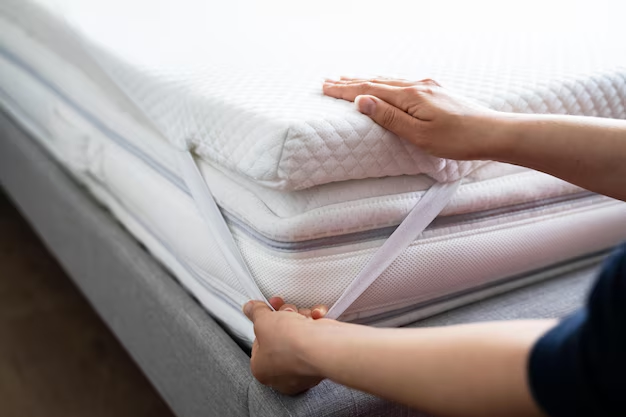
How To Know What Mattress Is Best For You: A Practical FAQ Guide
If you’re asking “How To Know What Mattress Is Best For You”, you’re usually trying to sort through confusing options, conflicting advice, and a lot of mattress jargon. This guide breaks things down into clear questions and answers so you can match a mattress to your body, sleep style, and preferences with more confidence.
What does “the best mattress for you” actually mean?
There is no single “best mattress” for everyone. The best mattress for you is the one that:
- Supports your spine in a neutral, comfortable position
- Matches your preferred firmness and feel
- Works with your sleeping position and body type
- Fits your temperature preferences and motion sensitivity
- Aligns with your budget and bedroom setup
When you understand these factors, you can stop guessing and start narrowing down your choices logically.
How does my sleeping position affect what mattress is best?
Your sleep position is one of the biggest clues in how to know what mattress is best for you.
Side sleepers
Side sleepers often prefer a mattress that offers more pressure relief at the shoulders and hips.
- Look for: medium to medium-soft feel, good contouring
- Why: Too-firm surfaces can create pressure points on the side of the body
Back sleepers
Back sleepers generally do well with a balance of support and cushioning.
- Look for: medium to medium-firm feel
- Why: The mattress should support the lower back without letting the hips sink too deeply
Stomach sleepers
Stomach sleeping usually needs a firmer, more supportive surface.
- Look for: medium-firm to firm
- Why: A surface that is too soft can allow the midsection to dip, which may feel uncomfortable for some people
Combination sleepers
If you change positions at night:
- Look for: medium feel and mattresses that allow easy movement
- Why: You need a surface that is comfortable in multiple positions and doesn’t feel “stuck”
How firm should my mattress be?
Many people find firmness confusing because it is subjective. A simple way to think about it:
- Soft: More cushioning, deeper “hug”
- Medium: Balanced support and comfort, often works for mixed positions
- Firm: Flatter, more supportive feel, less sink
To decide on firmness:
- Consider your sleep position (see above)
- Think about your body weight:
- Lighter individuals may experience mattresses as firmer
- Heavier individuals may experience them as softer
When exploring how to know what mattress is best for you, picture whether you want to sink in slightly, stay more on top, or be somewhere in between.
What mattress types should I consider?
Different materials feel and behave differently. Here is a simple comparison:
| Mattress Type | General Feel | Often Preferred For |
|---|---|---|
| Foam | Contouring, body-hugging | Pressure relief, motion isolation |
| Hybrid | Supportive with some bounce | Mixed needs, combination sleepers |
| Innerspring | Bouncy, more traditional feel | Strong support, easier movement |
- Foam mattresses: Many sleepers appreciate them for their contouring and motion isolation, which can be helpful if you share a bed.
- Hybrid mattresses: Combine coils with foam or other comfort layers, aiming for a balance of support, airflow, and cushioning.
- Innerspring mattresses: Typically feel more responsive and may suit those who prefer a classic, bouncier surface.
How do temperature and motion affect my choice?
These comfort details often decide whether a mattress feels “right” long-term.
Sleeping temperature
If you tend to sleep warm:
- Look for:
- Designs that encourage airflow
- Comfort layers that don’t trap too much heat
- Consider your bedding and room environment as part of the overall feel
Motion and partner disturbance
If you share a bed:
- Pay attention to motion isolation: some materials absorb movement better than others
- Think about mattress size: a larger size can make partner movement less noticeable
How can I test if a mattress is right for me?
When you’re exploring how to know what mattress is best for you, testing is crucial:
- Lie in your usual positions for several minutes, not just a quick sit-down
- Notice whether your hips, shoulders, and lower back feel supported
- Check if you feel any pressure points or strain when you relax fully
- See how easy it is to change positions
If you’re able to sleep on a mattress for a trial period:
- Pay attention over several nights, not just the first one
- Notice if you wake up feeling stiff, sore, or well-rested and neutral
- Small adjustments (pillows, toppers) can fine-tune comfort once you have solid support
✔️ Quick Mattress Takeaways
Key points for understanding How To Know What Mattress Is Best For You
- Start with sleep position: side, back, stomach, or combination will narrow your firmness range.
- Match firmness to your body: lighter sleepers often like slightly softer; heavier sleepers often benefit from more support.
- Choose a type that fits your feel preference:
- Foam for contouring and motion control
- Hybrids for balanced support and comfort
- Innersprings for a bouncier, traditional feel
- Check alignment and pressure: your spine should feel neutral, without sharp pressure at shoulders, hips, or lower back.
- Consider temperature and motion: warm sleepers and couples may prioritize airflow and motion isolation.
- Use real-world testing where possible: try your usual sleeping positions and listen to how your body feels over time.
Learning how to know what mattress is best for you is mostly about understanding your own preferences and matching them to firmness, materials, and support. By focusing on your sleep position, body type, and comfort needs—rather than trends or hype—you can choose a mattress that feels appropriate, supportive, and restful for your everyday life.