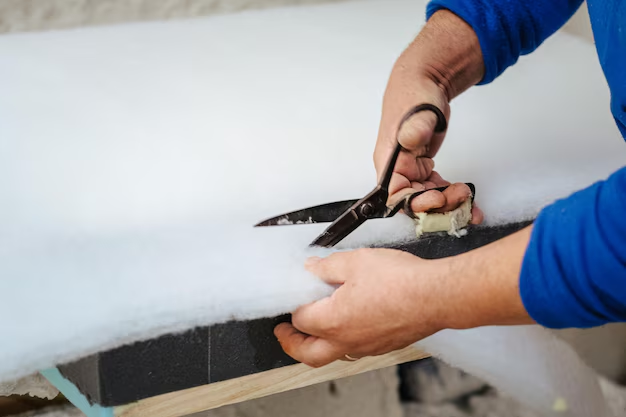
How To Cut a Foam Mattress Topper: Step‑by‑Step Guide and Common Questions
If you’re searching for “How To Cut a Foam Mattress Topper,” you’re likely trying to resize a topper to fit a different bed, split it for two sleepers, or trim an awkward overhang. The good news: most foam toppers can be cut at home with simple tools if you take your time and plan carefully.
Below are clear answers to the most common questions about cutting a foam topper safely and neatly.
Can You Cut a Foam Mattress Topper Without Ruining It?
In most cases, yes, you can cut a foam mattress topper without damaging it, as long as you:
- Use a sharp cutting tool
- Measure and mark your cut line carefully
- Keep the foam stable while cutting
Most toppers made from polyfoam, memory foam, or latex foam can be trimmed. Very dense or thick toppers may be harder to cut cleanly but are still manageable with the right approach.
If your topper has a removable fabric cover, take it off first. If the cover is not removable and you cut through it, the edges may fray more easily.
What Tools Work Best to Cut a Foam Mattress Topper?
You don’t need specialized equipment to learn How To Cut a Foam Mattress Topper, but using the right tool makes a big difference in how clean the edge looks.
Common options include:
- Long, sharp utility knife or box cutter
- Serrated bread knife
- Electric carving knife (often gives the smoothest cut)
- Craft knife with a long blade
💡 Tip: Whatever you choose, sharpness matters more than the exact tool. A dull blade will tear the foam instead of slicing it.
You’ll also want:
- A tape measure
- A straightedge (yardstick, long ruler, or straight board)
- A marker or fabric chalk for drawing your line
- A large, flat work surface (clean floor or large table)
- Optional: protective gloves and a cutting mat or cardboard under the foam
Step‑By‑Step: How To Cut a Foam Mattress Topper
1. Measure Your Bed or Target Size
First, confirm the size you actually need:
- Measure the length and width of the mattress or space the topper will cover.
- Decide if you want the topper to be exactly flush with the edges or slightly smaller to allow for bedding.
Write these measurements down so you can transfer them accurately.
2. Lay the Topper Flat and Mark Your Line
Spread the topper on a flat, stable surface. Smooth out any wrinkles.
- Use your tape measure to mark key points along where you’ll cut.
- Connect these points using your straightedge and marker to draw a clear, straight cutting line.
If the topper has a textured or convoluted (“egg crate”) side, do your measuring and marking on the flat side if possible. It’s easier to draw straight lines and keep track of where you’re cutting.
3. Prepare Your Cutting Area
Before you start cutting:
- Place cardboard, a cutting mat, or an old sheet under the topper to protect the surface below.
- Ensure the topper is fully supported and not hanging off the edge; unsupported foam can stretch and lead to uneven cuts.
- Position yourself so you can cut in a single, continuous direction along the line.
4. Make the Cut Slowly and Steadily
Using your chosen tool:
- Start at one end of your line and cut straight down into the foam, following the marked path.
- Use long, smooth strokes rather than short sawing motions.
- If your topper is thick, make multiple shallow passes, going a little deeper each time until you pass all the way through.
Avoid pulling or stretching the foam while cutting. Let the blade do the work.
5. Clean Up the Edges (If Needed)
After cutting:
- Gently brush or pick away loose foam crumbs.
- If there are small uneven spots, you can carefully trim them with short, controlled blade strokes.
Some minor roughness along the edge is normal and usually won’t be noticeable once the topper is covered with a sheet or mattress protector.
Will Cutting a Foam Topper Affect Comfort or Durability?
Trimming your topper to size generally does not change how it feels across most of the surface. However:
- Cutting may slightly soften the very edge, since it’s no longer factory-finished.
- If you remove a large portion, the topper’s weight distribution changes, but the feel in the main sleeping area usually stays similar.
- As long as the cut is smooth and the topper stays protected under bedding, durability is typically not affected in a major way.
If your topper is zoned (firmer in some areas, softer in others), cutting through those zones may change how evenly they line up with your body.
Is It Safe to Cut Any Foam Mattress Topper?
Most standard foam toppers can be cut safely with basic precautions, but consider:
- Ventilation: Cut in a well‑ventilated area, especially if the foam has a noticeable odor.
- Blade safety: Handle sharp tools carefully and cut away from your body.
- Complex constructions: Toppers that combine foam with other layers (such as fiber pads or quilted covers) may be more challenging to cut neatly.
If you’re unsure what material you have, check any tags for foam type and care information. Some specialty foams may behave differently when cut.
Can You Reuse the Off‑Cut Pieces?
Yes, many people repurpose leftover foam from trimming a topper. Common uses include:
- Extra seat cushions or padding
- Pet beds
- Travel or camping pads
- Cushioning for hard chairs or benches
Just make sure any smaller pieces are cut to a safe and stable size if they’ll be used separately.
✔️ Quick Mattress Takeaways
Key points consumers should understand about How To Cut a Foam Mattress Topper
- Most foam toppers can be cut at home with a sharp knife, careful measuring, and a flat work surface.
- Mark your cut line clearly using a tape measure and straightedge before you start cutting.
- Sharp, steady cuts (often in multiple passes) help prevent tearing and jagged edges.
- Removing the fabric cover first, if possible, usually leads to a cleaner result.
- Minor edge roughness is normal and usually hidden by sheets and protectors.
- Cutting a topper to size typically doesn’t significantly change overall comfort, as long as the main sleeping area remains intact.
- Work in a safe, ventilated space and handle blades carefully to protect both you and your mattress topper.
With some planning and patience, understanding How To Cut a Foam Mattress Topper can help you adapt your existing topper to new bed sizes, layouts, or comfort needs without replacing it entirely.