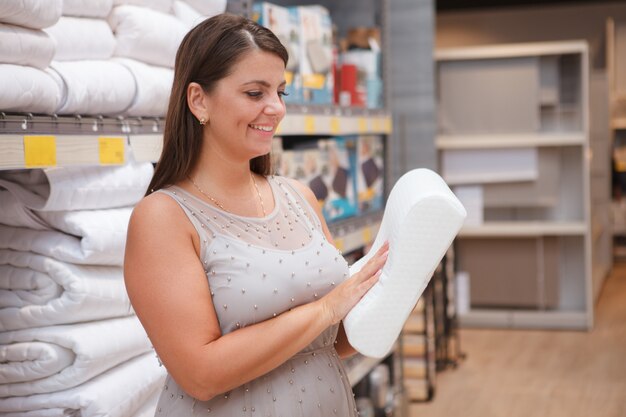
How Do I Buy a Mattress? A Simple, Step‑by‑Step FAQ
If you’re asking “How Do I Buy a Mattress?”, you’re usually looking for a clear path through a confusing marketplace. This guide breaks the process into simple questions and answers so you can choose a mattress with confidence, without needing expert knowledge.
What’s the first step when I want to buy a mattress?
Before you look at materials or prices, start with your own needs:
- Who will use the mattress? (single sleeper, couple, child, guest room)
- How do you usually sleep? (side, back, stomach, combination)
- What feels comfortable to you now? (soft, medium, firm)
- What size fits your room and lifestyle?
Once you’re clear on this, searching “How Do i Buy a Mattress” becomes less overwhelming, because you know what you’re actually shopping for.
What mattress sizes should I consider?
Think about room size, body size, and whether you share the bed.
Common options include:
- Twin / Twin XL – Space-saving, often for kids or smaller rooms.
- Full – More width than twin, often for single adults who want more space.
- Queen – Popular for couples or single adults who like extra room.
- King / Larger – For couples who want maximum space or share with pets or kids.
Tip: Measure your room, including clearance for walking, nightstands, and doors that need to open.
How firm should my mattress be?
Firmness is about how hard or soft the mattress feels, not its quality. There’s no single “right” firmness, but some patterns are common:
- Side sleepers often prefer softer to medium mattresses for more cushioning at shoulders and hips.
- Back sleepers often like medium to medium-firm for balanced support.
- Stomach sleepers often choose firmer surfaces to avoid sinking too much.
- Combination sleepers often prefer medium or something that doesn’t feel extreme.
If you’re unsure, starting with a medium feel is a reasonable middle ground.
What types of mattresses are there?
When you ask “How Do i Buy a Mattress?”, understanding the main types helps narrow your choices quickly.
Foam mattresses
Made mostly of foam layers.
- Many sleepers like: contouring feel, pressure relief, and motion isolation.
- Consider if: you prefer a “hugged” feeling and don’t want much bounce.
Innerspring mattresses
Use coils with comfort layers on top.
- Many sleepers like: a more traditional, bouncy feel and easier movement.
- Consider if: you prefer a firmer, responsive surface with strong edge support.
Hybrid mattresses
Combine coils with thicker foam or other comfort materials.
- Many sleepers like: a mix of support, bounce, and pressure relief.
- Consider if: you want a middle ground between foam and innerspring.
How do I compare features without getting lost?
Focus on a few practical features instead of every technical detail:
- Support: Does the mattress keep your spine feeling aligned when you lie on your back and side?
- Pressure relief: Do your shoulders, hips, and lower back feel cushioned, not jammed?
- Motion isolation: If you share a bed, does the mattress limit movement transfer?
- Temperature feel: Do you tend to feel warm or cool on the surface?
- Edge support: Can you sit or lie near the edge without feeling like you’ll roll off?
📝 Simple comparison checklist:
- Does it match my preferred firmness?
- Does it fit my budget?
- Does the size work for my room?
- Do I like the overall feel (bouncy, hugging, in-between)?
Should I buy a mattress online or in a store?
Both options can work; it depends on your preferences.
Buying in a store:
- You can lie down on different models.
- You get immediate impressions of firmness and feel.
- There may be guidance from in-person staff.
Buying online:
- You can compare features and prices from home.
- Many online brands offer home trials, letting you test the mattress in your bedroom.
- The mattress often arrives compressed in a box.
Whichever route you choose, take your time when testing in person or during an at‑home trial period.
What budget should I expect?
“How Do i Buy a Mattress” often really means “How do I buy a mattress without overpaying?”
Costs vary widely. To stay focused:
- Decide on a comfortable budget range before shopping.
- Compare mattresses within that range by type, thickness, and features, not just price.
- Remember that higher price doesn’t always equal better comfort for you personally.
A sensible approach is to choose the most comfortable and supportive option within your budget, rather than the cheapest or most expensive.
How can I avoid common mattress buying mistakes?
Here are frequent issues and how to sidestep them:
- Rushing the decision: Try to spend several minutes lying in your usual sleep positions when testing.
- Focusing only on softness: A very soft mattress that feels nice at first might not feel supportive over time.
- Ignoring your partner’s needs: If you share the bed, consider both sleepers’ firmness preferences and motion sensitivity.
- Not checking policies: Take note of trial periods and what happens if the mattress doesn’t work for you.
✔️ Quick Mattress Takeaways
Key points consumers should understand about “How Do i Buy a Mattress”
- Start with yourself: sleep position, body size, and comfort preferences matter more than trends.
- Choose the right size: match mattress size to room dimensions and whether you share the bed.
- Firmness is personal: side sleepers often like softer; back and stomach sleepers often prefer medium to firm.
- Know the main types: foam (contouring), innerspring (bouncy), hybrid (mixed feel).
- Compare essentials only: support, pressure relief, motion isolation, temperature feel, edge support.
- Decide how to shop: in‑store for immediate testing, online for convenience and at‑home trials.
- Set a budget range: then pick the mattress that feels best within that range.
- Avoid rushed choices: give yourself time to evaluate comfort in your typical sleep positions.
When you break it into steps, “How Do i Buy a Mattress” becomes a straightforward question: understand your needs, choose a size and type, compare a few key features, and give yourself enough time to test. With that approach, you can make a calm, informed choice that suits your everyday sleep.