Where Is Avocado Mattress Made? Location, Materials, and What It Really Means
If you’re searching for “Where Is Avocado Mattress Made”, you’re likely trying to understand more than just geography. You may be wondering about manufacturing location, material sourcing, quality control, and ethics behind these mattresses. This FAQ-style guide walks through those points in clear, straightforward terms.
Where Is Avocado Mattress Made?
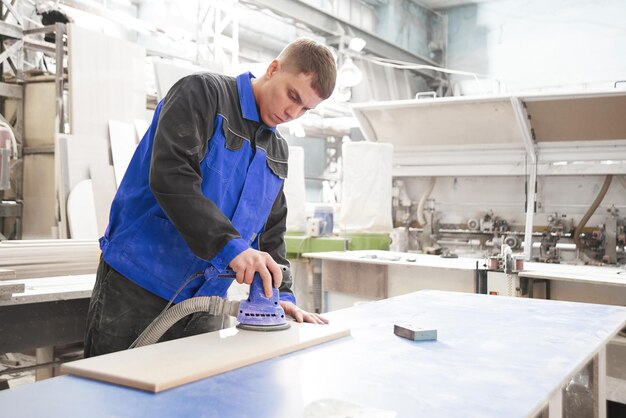
Avocado mattresses are manufactured in the United States, in company-owned or dedicated facilities that handle cutting, sewing, assembly, and finishing. When people ask “Where is Avocado mattress made”, they’re often also curious about where the raw materials come from, which is slightly different.
While the final mattress is made and assembled in the U.S., many of the natural materials used inside are sourced from other countries where those resources are commonly produced, such as regions known for growing rubber trees or raising sheep.
Why Does the Manufacturing Location Matter?
Knowing where a mattress is made can help consumers understand:
- Quality control: Local manufacturing can make oversight more direct and consistent.
- Labor standards: Some buyers care that workers are protected by certain labor laws.
- Environmental footprint: Shorter transport distances for finished products may reduce shipping impact.
- Transparency: Clear information on origin can build trust and reduce confusion.
For people searching “Where is Avocado mattress made”, these factors are often part of a broader interest in ethical production and material transparency, not just a curiosity about the country name on the label.
Where Are the Materials in an Avocado Mattress From?
Even if the mattress is made in the U.S., the components may come from multiple regions. Common natural mattress materials are typically associated with:
- Natural latex – Frequently tapped from rubber trees grown in tropical climates.
- Wool – Commonly sourced from countries with large sheep-farming industries.
- Cotton – Grown in various parts of the world with suitable climates.
In many natural or organic-style mattresses, the supply chain is global:
- Raw materials may be harvested or grown overseas.
- Fibers and foams might be processed locally or regionally.
- The final mattress is then assembled and finished in the brand’s primary manufacturing country.
This blend of global materials, local assembly is typical in the mattress industry, especially for products that rely on specific climates for crops like rubber and cotton.
Does “Made in the USA” Mean All Materials Are from the USA?
Not necessarily. In general consumer products, including mattresses, a “made in” label often refers to where the final substantial manufacturing occurs, not where every ingredient originated.
For a mattress:
- Assembly, sewing, and finishing may be handled in one country.
- Foams, textiles, and fillings can be sourced globally.
- Packaging and some components (like zippers or thread) might come from different suppliers.
So when people ask “Where is Avocado mattress made”, it helps to separate:
- Where it’s assembled (the finished product location), and
- Where its contents come from (the supply chain behind the scenes).
How Does the Origin Affect Mattress Quality?
The country of assembly alone does not guarantee how a mattress will feel or hold up over time. However, origin can be a useful signal when evaluated alongside:
- Manufacturing practices: Consistent processes can help with reliability.
- Material choices: Natural fibers, foams, and textiles vary in feel and durability.
- Certifications and testing: Some brands use independent standards to verify fabric, foam, or emission levels.
- Design details: Layer thickness, quilting, and support systems are often more important than country of origin alone.
Many shoppers use place of manufacture as one part of a broader checklist, rather than the only deciding factor.
What Should Shoppers Look For Beyond “Where Is It Made”?
When evaluating any mattress, helpful areas to focus on include:
- Material breakdown – What’s actually inside each layer?
- Firmness and support profile – Which sleeping positions it tends to suit.
- Cover and quilting – Breathability, feel, and construction.
- Return and warranty policies – How issues are typically handled.
- Transparency – How clearly the brand explains its sourcing and processes.
🔎 Tip: The more clearly a brand explains what’s inside the mattress and how it’s made, the easier it is to match the product to your comfort preferences and values.
✔️ Quick Mattress Takeaways
Key points consumers should understand about “Where Is Avocado Mattress Made”
- Final assembly: The finished Avocado mattress is made and assembled in the United States.
- Global sourcing: Core materials, such as latex, wool, and cotton, are commonly sourced from regions suited to growing or raising those resources.
- Label meaning: A “made in” label generally reflects where the product is manufactured, not where every raw ingredient originates.
- Industry norm: A mix of international materials with local assembly is common in modern mattress production.
- What really matters: For comfort and longevity, construction, materials, and design usually play a larger role than the manufacturing country alone.
- Ethical and eco questions: Shoppers who ask “Where is Avocado mattress made” are often also interested in labor practices, environmental impact, and transparency in the supply chain.
Understanding where and how a mattress is made can help you align your purchase with your priorities—whether those are comfort-focused, environmentally minded, or centered on manufacturing location and labor standards.